Disclosure: This post contains affiliate links and I will be compensated if you make a purchase after clicking through my links. Learn More
When to Use Single Bevel Vs Double Bevel Joint
Many people who weld or work with metals need to pick the right joint type. The choice can change how strong, safe, and long-lasting a project is. Two common joint types are single bevel joints and double bevel joints. Both types help connect pieces of metal, but they have different shapes and uses. Knowing when to use each one can save you time, money, and effort—and avoid serious mistakes.
Welders face choices based on project size, thickness of materials, safety rules, and even the tools they have. These decisions are not just technical; they affect real-world results. If you use the wrong joint, the weld may fail. On the other hand, the right choice makes the job easier and the result much better.
This article breaks down single bevel joints and double bevel joints. You will learn what each one is, how to make them, where they work best, and what mistakes to avoid. You will see examples from real jobs, clear diagrams, and even comparison tables. By the end, you will feel confident about choosing the right joint for any welding task.
What Is A Bevel Joint?
A bevel joint is a type of weld joint where one or both edges of the metal are cut at an angle (not a right angle). This angled edge creates a groove. The purpose of the groove is to let the welding material fill the space and join the metals together strongly. Bevel joints are common in thicker materials, where a straight edge weld would not be deep enough.
Bevel joints are used in many industries—construction, shipbuilding, pipelines, automotive, and even art. The main reason for using a bevel is to let the weld fully penetrate, which means the weld goes through the whole thickness of the material. This helps prevent weak spots.
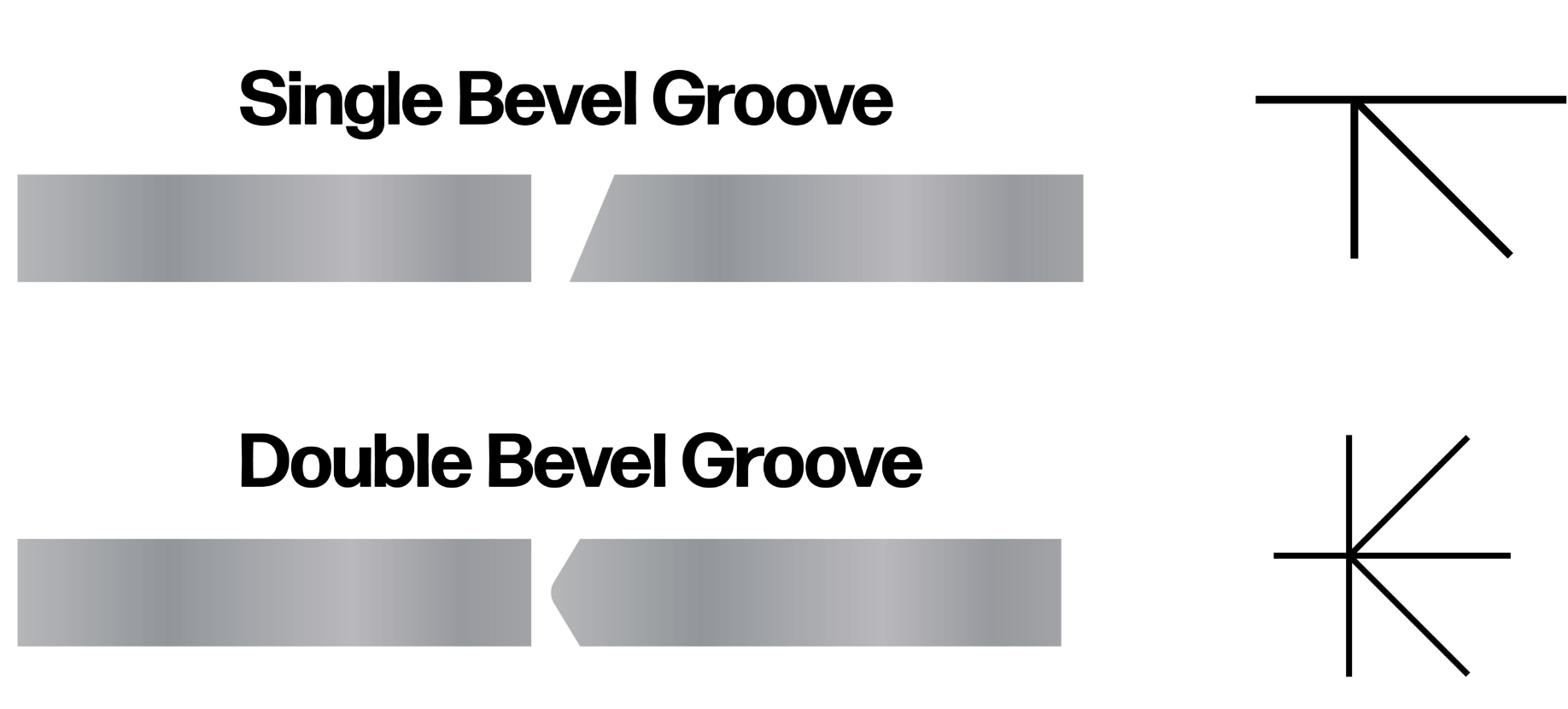
The two main types are single bevel and double bevel joints. The difference is simple: a single bevel has a sloped edge on one piece, while a double bevel has sloped edges on both pieces.
Single Bevel Joint: Definition And Features
A single bevel joint is made by cutting one side of one metal piece at an angle. The other piece stays straight (square edge). When you put them together, you get a V-shape on one side and a square on the other. The welder then fills the groove with welding material to join the two pieces.
Key Features Of Single Bevel Joints
- One beveled edge, one square edge
- Groove forms on one side only
- Often used with thick materials (over 3/16 inch or 5 mm)
- Simple to prepare with basic tools
- Easier to weld from one side
Where You See Single Bevel Joints
You will often see single bevel joints in:
- Frames and support structures
- Pipe connections where access is limited to one side
- Repair jobs where you cannot move the part
- Construction beams that need a strong but simple joint
Benefits Of Single Bevel Joints
- Easy to set up: You only need to cut one bevel.
- Saves time: Preparation is faster than double bevel.
- Good for limited access: Perfect if you can only reach one side to weld.
- Strong enough for many uses: Works well if the load is not too high.
Limitations
- Not as strong as double bevel for very thick materials
- More weld metal needed compared to a double bevel (for the same thickness)
- Can create uneven stress if not done right
Double Bevel Joint: Definition And Features
A double bevel joint has both pieces of metal cut at an angle. When you put them together, you get a symmetrical V-shape groove. The welder fills this groove, making a strong bond that goes through the full thickness.
Key Features Of Double Bevel Joints
- Both edges are beveled
- Groove is centered and even on both sides
- Used for thick materials (usually above 1/2 inch or 12 mm)
- Needs access to both sides of the workpiece
- Takes more time to prepare
Where You See Double Bevel Joints
Double bevel joints are common in:
- Pressure vessels and tanks
- Bridges and heavy structures
- Pipelines that carry high-pressure fluids
- Shipbuilding where maximum strength is needed
Benefits Of Double Bevel Joints
- Very strong: Weld goes through the full thickness, with less risk of weak spots.
- Better stress distribution: The joint handles forces from both sides.
- Uses less weld metal: For thick pieces, the groove is smaller than a single bevel.
- Better for safety-critical projects: Often required by building codes.
Limitations
- Takes more time to prepare (you must bevel both pieces)
- Needs access to both sides of the joint
- Harder to fit up and align
How To Prepare A Single Bevel Joint
Preparation is a key step in any welding job. For a single bevel joint, you need to bevel one piece and keep the other straight. Here’s how you can do it:
- Mark the Bevel Angle: Use a protractor or angle gauge. Common angles are 30°, 37.5°, or 45°, depending on standards.
- Cut the Bevel: Use a grinder, saw, or torch. Try to keep the angle even.
- Clean the Edges: Remove oil, rust, paint, and dirt.
- Fit the Pieces: Place the beveled edge against the square edge.
- Set the Root Gap: This is a small space (usually 1-3 mm) for full weld penetration.
- Tack Weld: Place small welds to hold the pieces together.
Tip: For thicker materials, make sure the groove is deep enough for the weld to go through the full thickness.

Credit: primeweld.com
How To Prepare A Double Bevel Joint
A double bevel joint needs both pieces beveled. Here’s a step-by-step guide:
- Mark Both Bevels: Each edge must have the same angle. Commonly, each side is 30° or 37.5°.
- Cut the Bevels: Use the right tool for the thickness (grinder, torch, or milling machine).
- Clean Both Edges: Remove all dirt and contaminants.
- Fit the Pieces Together: Make sure the V-groove is centered.
- Set the Root Gap: Keep a small gap for the weld root.
- Tack Weld: Hold the pieces in place with small welds.
Tip: Double-check alignment. A crooked joint will weaken the weld.
When To Use Single Bevel Joints
Choosing a single bevel joint depends on the project needs. Here are the main situations where this joint works best:
1. Welding Thick Plates With One-sided Access
If you can reach only one side (for example, a wall or a fixed beam), a single bevel joint is the practical choice. Trying to weld a double bevel from one side is not possible.
Example: Repairing a bridge support where only the outside is accessible.
2. Repair Jobs
Single bevels are common in repairs. You often cannot move or flip the part. With a single bevel, you only work from one side.
Example: Fixing a crack in a large machine frame.
3. Simple Structures
Single bevels are strong enough for many support frames, brackets, and construction parts that do not carry very high loads.
Example: Building a simple gate frame.
4. Speed Is Important
When you want to save time and the strength is enough, single bevels are faster to prepare and weld.
Example: Making temporary structures or quick fixtures.
5. Cost Is A Concern
Cutting only one bevel means less work and less waste. If budget matters, and the joint is safe, use a single bevel.
Example: Fabricating many low-stress brackets in a factory.
When To Use Double Bevel Joints
A double bevel joint is the best choice when you need maximum strength and the materials are thick. Here are key situations for this joint:
1. High-pressure Or High-load Structures
Double bevels create a strong, full-penetration weld. This is critical where the joint faces high stress or pressure.
Example: Building a crane arm or a pressure tank.
2. Thick Materials (over 1/2 Inch)
With very thick plates, a single bevel would need a huge amount of weld metal. Double bevels reduce the groove size, saving weld material and making the weld stronger.
Example: Welding 1-inch thick steel plates for a bridge.
3. Code Or Standard Requires It
Many projects must follow strict safety rules. Codes like ASME, AWS, or ISO often require double bevels for critical joints.
Example: Pipeline welds for oil and gas industries.
4. Access To Both Sides
If you can reach both sides of the joint, a double bevel gives a better, more even weld.
Example: Shipbuilding, where both sides are open during assembly.
5. Reducing Weld Metal
Double bevels use less filler metal than a single bevel of the same thickness. This saves money and reduces heat input, which can change the metal’s properties.
Example: Fabricating large tanks.
Comparing Single Bevel And Double Bevel Joints
Understanding the differences helps you choose wisely. Here’s a side-by-side look at the main points:
| Feature | Single Bevel Joint | Double Bevel Joint |
|---|---|---|
| Preparation | One bevel, one square edge | Both edges beveled |
| Access Needed | One side only | Both sides |
| Strength | Good for moderate loads | Best for high loads |
| Weld Metal Needed | More (for thick materials) | Less |
| Time to Prepare | Faster | Slower |
| Cost | Lower | Higher |
Insight: Many beginners do not realize that using too much weld metal can cause distortion. Double bevels help avoid this problem, especially in large projects.
Credit: nsarc.com
Common Mistakes And How To Avoid Them
Even skilled welders can make mistakes with bevel joints. Here are problems to watch for—and how to fix them.
1. Wrong Bevel Angle
If the angle is too steep or too shallow, the weld may not penetrate. Always measure carefully. Use a gauge, not just your eyes.
2. Poor Fit-up
If the pieces do not fit tightly, the weld will be weak. Use clamps and tack welds to hold everything in place before you start.
3. Skipping Cleaning
Dirt, oil, and rust can cause weld defects. Clean all edges before welding.
4. Not Enough Root Gap
A small gap is needed for the weld to go all the way through. Too small, and the weld will not be strong. Too large, and the weld will sag or burn through.
5. Welding Too Fast
Fast welding can cause poor penetration and weak welds. Take your time and control the heat.
6. Ignoring Stress Direction
If the joint will face bending or pulling, pick the joint that spreads the force evenly. Double bevels are best for high stress in both directions.
Non-obvious tip: For pipe welding, always check if the pipe will be bent after welding. If so, a double bevel is usually needed.
Real-world Examples
Seeing how these joints work in real projects helps you understand their value.
Example 1: Building A Steel Frame
A construction crew needs to join thick steel beams for a building frame. They use single bevel joints where they cannot reach both sides. The beams support the floors, so strength is important, but access is limited. The crew saves time by beveling only one side.
Example 2: Repairing A Ship Hull
Shipyards often use double bevel joints to repair or build hulls. These joints create a strong, watertight weld. The ship will face heavy waves and pressure, so a weak weld could cause leaks or breaks. Double bevels give the needed strength and safety.
Example 3: Pipeline Construction
Oil and gas pipelines must handle high pressure. Codes require double bevel joints for the main pipeline seams. Workers bevel both sides, weld from one side, then finish from the other. This ensures the weld goes through the full wall thickness.
Example 4: Making A Machine Bracket
A small machine shop needs to make brackets from 1/4 inch steel. The load is not high, and the work must go quickly. They use single bevel joints, saving time and money.
Factors To Consider Before Choosing
Choosing between single and double bevel joints is not always simple. You should think about these factors:
- Material Thickness: Thicker materials often need double bevels.
- Access: Can you reach both sides?
- Strength Needs: Will the joint carry heavy loads?
- Welding Code: Do safety rules require a certain joint?
- Budget: More bevels mean more work and higher cost.
- Welding Process: Some methods (like TIG or MIG) work better with certain joints.
- Distortion Risk: Too much heat or weld metal can warp the parts.
Insider insight: Many shops make the mistake of using single bevels just to save time, then face failures or extra repairs. Always check the real needs before starting.
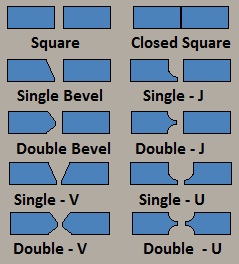
Visual Guide: Joint Shapes
Clear shapes help you see the difference between single and double bevel joints.
| Joint Type | Shape (Side View) | Description |
|---|---|---|
| Single Bevel |
_______ \ | \ | -------- | One side beveled, other side square |
| Double Bevel |
_______ \ / \ / ----- | Both sides beveled, groove in center |
Industry Standards And Codes
Many industries use welding codes to set the rules for joint types. These codes keep structures safe and reliable. Here are some key standards:
- AWS D1.1: Structural welding code for steel, often used in buildings and bridges.
- ASME Boiler and Pressure Vessel Code: For boilers, pressure tanks, and pipelines.
- ISO 9692: International standard for welding joint preparation.
These standards often say when you must use a double bevel joint (for example, in pressure tanks) or when a single bevel is enough (like in some building frames).
For more details on welding codes, check the Welding Wikipedia page.
Cost And Time Analysis
Time and cost are big factors in picking a joint type. Here’s a simple look:
- Single bevel joints save time on preparation. You only bevel one piece, so you finish faster.
- Double bevel joints need more setup, but you use less welding wire and gas. Over many joints, this can balance the cost.
- In high-safety projects, inspection and repair costs are much lower with double bevels, because failures are rare.
Example: In a factory that welds 200 thick plates a week, switching from single to double bevel joints cut weld metal use by 15%. This saved thousands of dollars a year.
Credit: www.weldinghelp.org
Advanced Tips And Lesser-known Insights
- Back Gouging: Sometimes, welders do a single bevel weld from one side, then flip the part and grind out the back (back gouging) for a stronger weld. This is a middle ground between single and double bevel.
- Preheat Thick Plates: For both types, preheating thick materials (over 1 inch) prevents cracking.
- Control Heat Input: Too much heat can weaken the metal near the weld (heat-affected zone). Control your speed and welding amps to avoid this.
Pro tip: Always check the welding procedure specification (WPS) for your project. This document tells you the right joint type, angles, and welding method.
Faqs
Frequently Asked Questions
What Is The Main Difference Between A Single Bevel And A Double Bevel Joint?
A single bevel joint has a sloped edge on one piece and a straight edge on the other, while a double bevel joint has both edges sloped. The double bevel allows for a stronger and more even weld, especially in thick materials.
Is A Double Bevel Joint Always Stronger Than A Single Bevel Joint?
For the same material and welding process, double bevel joints are usually stronger, especially in thick or high-stress applications. They provide full penetration and better stress balance.
Can I Use A Single Bevel Joint On Thin Materials?
Single bevel joints are not common for thin materials (less than 3/16 inch or 5 mm). For thin pieces, a simple butt joint or square edge joint is better, as beveling is not needed.
How Do I Decide Which Joint To Use For My Project?
Consider material thickness, access to both sides, required strength, project codes, and your budget. Use single bevels for one-sided access and moderate strength. Use double bevels for thick materials and high strength.
Are There Official Standards For Using These Joints?
Yes. Standards like AWS D1.1, ASME, and ISO 9692 give rules on when and how to use single or double bevel joints. Always follow your project’s code for safety and quality.
—
Choosing between a single bevel joint and a double bevel joint is a key part of welding planning. The right choice means safer, stronger, and more cost-effective work. Single bevels are fast and simple when you cannot reach both sides. Double bevels give maximum strength and are best for thick or critical welds. Always think about the project’s needs, follow industry standards, and check your work as you go. With this knowledge, you can make better decisions and avoid costly mistakes in your welding projects.