Disclosure: This post contains affiliate links and I will be compensated if you make a purchase after clicking through my links. Learn More
Welders often notice a small depression or hole at the end of a weld bead. This is known as a crater pit. Crater pits are common in both manual and automatic welding, and they can lead to problems like cracks, leaks, or weak welds. Many people want to know why these pits form, what causes them, and how to prevent them. Understanding crater pits is important for anyone who wants strong, reliable welds.
What Is A Crater Pit?
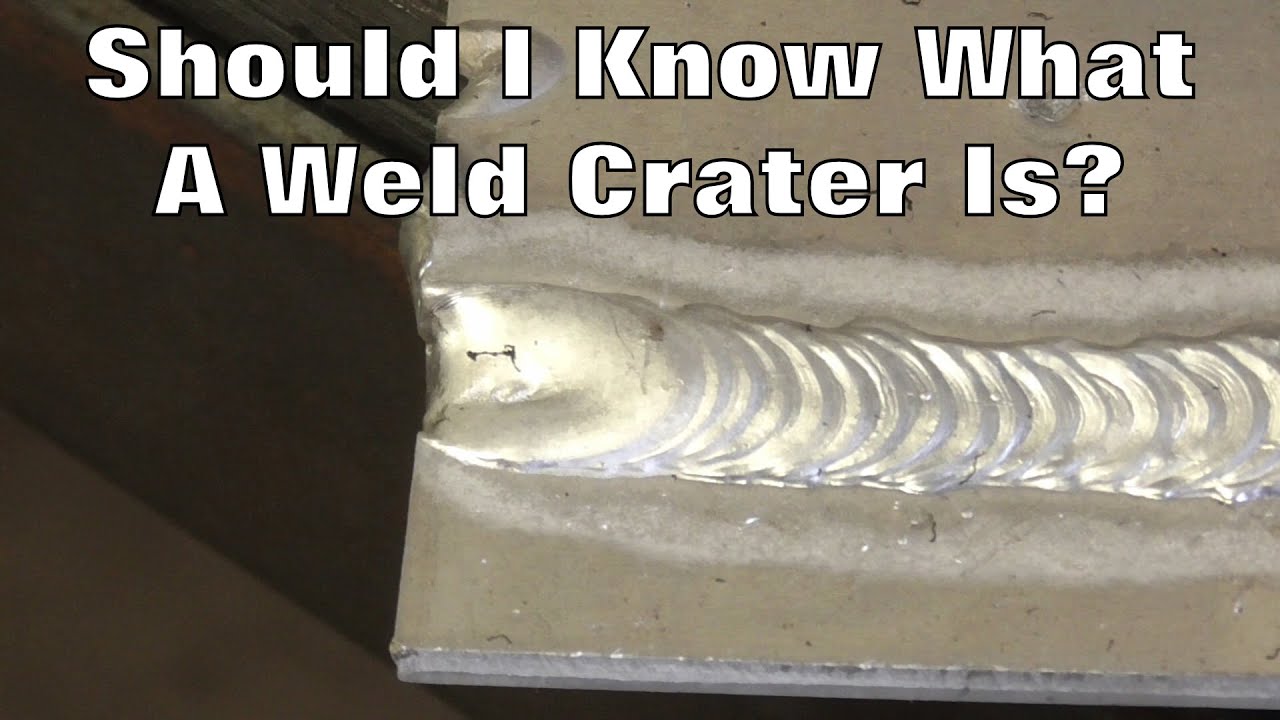
A crater pit is a small cavity or dip that appears at the end of a weld pass. It usually forms when the welder stops moving the electrode or turns off the welding current. The molten weld pool at the end does not have enough time or material to cool and solidify properly. This leaves a pit or hole in the finished weld bead. Crater pits are not just cosmetic flaws. They can be starting points for weld cracks, leaks, or even structural failure.
Crater pits appear in many welding processes, such as Shielded Metal Arc Welding (SMAW), Gas Metal Arc Welding (GMAW/MIG), Gas Tungsten Arc Welding (GTAW/TIG), and Flux-Cored Arc Welding (FCAW). They are more likely to form on materials like aluminum and stainless steel, but can also occur on carbon steel.
Why Are Crater Pits A Problem?
Crater pits can weaken the weld. They create a stress point where cracks can start, especially if the weld will face vibration, pressure, or heavy loads. In industries like oil and gas, shipbuilding, or construction, a small weld flaw can cause leaks or dangerous failures. Even in less critical jobs, crater pits can reduce the lifespan of the welded part.
Crater pits also affect the appearance of the weld. For applications where looks matter, such as art, furniture, or visible joints, a crater pit can be unacceptable.
Credit: www.youtube.com
Main Causes Of Crater Pits At The End Of A Weld
Several factors can cause crater pits. Knowing these causes helps welders avoid them and produce better welds.
1. Sudden Stopping Of Welding Current
Most crater pits form when the welder stops the arc or current too quickly. When you stop welding, the arc melts the metal, creating a small pool. If you cut the power suddenly, the pool starts to cool and shrink.
As it solidifies, the metal pulls away from the center, leaving a dip or pit. This is more common in manual welding, where the operator controls the current.
In automated welding, improper settings can also cause a fast shutdown of the arc, leading to the same problem.
2. Incomplete Filler Metal Addition
The filler metal is what fills the joint and creates the bead. If the welder does not add enough filler metal at the end of the weld, the molten pool cannot fill the space as it cools. This leaves a depression, which becomes a crater pit. This often happens in TIG and MIG welding, where the welder must control filler addition by hand or trigger.
3. Shrinkage Of The Weld Pool
As the weld cools, the metal shrinks. If the weld pool is too large or the cooling too fast, the center may sink, pulling away from the surface and leaving a pit. This is called shrinkage stress. Welds on thick or highly conductive metals, like aluminum, are more likely to have shrinkage problems.
4. Incorrect Welding Parameters
Welding parameters include voltage, amperage, travel speed, and wire feed speed. If any of these are set incorrectly, the weld pool can become unstable. For example:
- Too high amperage can make the pool too fluid and hard to control.
- Too low amperage may not melt enough filler at the end.
- Fast travel speed can stretch the pool, making it hard to fill the end.
- Slow speed can overheat the pool, making shrinkage worse.
Improper settings make it hard to control the weld pool and prevent crater pits.
5. Poor Technique At The Weld End
The way the welder finishes the weld is important. Stopping suddenly or pulling the electrode away too fast can cause the pool to freeze before it fills the crater. Good welders know to pause briefly at the end, sometimes making a small circular or zig-zag motion to fill the crater.
Inexperienced welders often miss this step.
6. Lack Of Crater-fill Functions On Machines
Modern welding machines often have a crater-fill or downslope feature. This reduces the current slowly at the end, letting the pool solidify without shrinking too much. If you use older machines or do not use these features, crater pits are more likely.
7. Wrong Electrode Or Filler Metal Choice
Some electrodes and filler wires are better at filling craters. If you use the wrong type or size, the weld pool may not fill properly. For example, a thin wire may not deliver enough filler quickly. Some filler metals are more prone to shrinking as they cool.
8. Base Metal Properties
The type of metal you weld affects crater pit risk. Metals like aluminum and copper conduct heat away quickly, making the end of the weld cool and shrink faster. Steel holds heat longer, but can still form pits if the technique is poor.
9. Joint Design And Fit-up
If the joint gap is too wide or uneven, it is harder to fill the end of the weld. Large gaps need more filler, and if this is not added at the end, a crater pit forms.
10. Environmental Factors
Wind, drafts, or low temperatures can cool the weld pool quickly, leading to rapid shrinkage and pit formation. In field welding, controlling these factors is harder, increasing the risk of crater pits.
How Different Welding Processes Cause Crater Pits
Each welding process has its own reasons for crater pits. Understanding these differences helps you pick the right prevention method.
Smaw (stick Welding)
In SMAW, welders often stop the electrode at the end of the weld. If they lift the rod too quickly, the arc stops and the pool solidifies instantly. The pool can contract, leaving a pit. Some electrodes also run out of flux or coating at the end, making it harder to fill the crater.
Gmaw (mig/mag Welding)
In GMAW, the arc stops when the welder releases the trigger. If the wire feed stops suddenly, the pool can shrink before enough filler is added. Modern MIG machines may have crater-fill or burn-back controls, but many users do not adjust them.
Gtaw (tig Welding)
TIG welding gives the welder control over both current and filler. If the operator stops adding filler before reducing the current, a pit forms. TIG machines often have a downslope control to lower current slowly, letting the pool solidify evenly.
Fcaw (flux-cored Arc Welding)
FCAW is similar to MIG, but uses a flux-cored wire. If the operator releases the trigger abruptly, the pool can shrink, making a pit. The flux can also affect how the crater solidifies.
Submerged Arc Welding (saw)
SAW is usually automated. If the machine stops the arc or wire feed quickly, the large weld pool shrinks and forms a crater pit.
Examples Of Crater Pits And Their Effects
Real-world cases show why crater pits matter:
- In a 2016 pipeline weld inspection, over 15% of welds failed due to crater pits that later turned into cracks.
- A study found that welds with crater pits were up to 40% weaker at the pit location than those without.
- Shipyard welders reported that crater pits on aluminum welds led to leaks in 1 out of every 20 joints inspected.
Crater pits can also cause leaks in storage tanks, cracking in pressure vessels, and failure in bridges and buildings.
How To Identify Crater Pits
You can see most crater pits with the naked eye. They look like small holes or dips at the end of the weld bead. Sometimes, they may be covered by slag or surface material. In critical jobs, inspectors use:
- Visual inspection for surface pits.
- Dye penetrant testing to find tiny cracks starting from pits.
- Ultrasonic or X-ray testing for deep or hidden pits.
Crater pits often have small cracks radiating from them. These cracks are hard to see but can grow over time.
Best Ways To Prevent Crater Pits
Welders and engineers use several methods to prevent crater pits. The right method depends on the welding process, material, and job requirements.
1. Use Crater-fill Or Downslope Functions
Many modern welding machines have a crater-fill or downslope setting. This reduces the current slowly at the end of the weld, giving the pool time to solidify evenly. For example, a TIG welder with downslope lets you finish the weld, then tap a button to slowly reduce current over 2–5 seconds.
2. Pause And Add Filler At The End
Manual welders can pause briefly at the end of the weld and add a little extra filler metal. This fills the crater before the pool cools. In TIG welding, keep adding filler while you slowly reduce current.
3. Make A Small Circle Or Zig-zag Motion
At the end of the weld, move the electrode in a small circle or zig-zag. This helps fill the crater and smooth out the bead. This is a common tip in stick and MIG welding.
4. Adjust Welding Parameters
Check your amperage, voltage, and wire feed speed. Lowering the current at the end or slowing the travel speed can help fill the crater. Some machines let you program a slow shutdown.
5. Use The Right Electrode Or Filler Metal
Choose a filler metal that matches the job. For thin metals, use a smaller wire. For large joints, use a filler that flows well and fills gaps.
6. Improve Joint Fit-up
Make sure the parts fit tightly. Large gaps need more filler, increasing the risk of crater pits.
7. Control The Environment
Shield the weld from wind and cold. Welding in a draft-free, warm area gives you more control over the weld pool.
8. Use Back-stepping Or Staggered Welding
In some jobs, welders use back-stepping (welding short sections in reverse order) or staggered welding to control heat and reduce shrinkage. This can help avoid pits.
9. Training And Practice
Skilled welders know how to end a weld cleanly. Training and hands-on practice are key to learning the right technique.
Common Mistakes That Lead To Crater Pits
Even experienced welders make mistakes that cause crater pits. These are the most common errors:
- Stopping the arc too quickly – Ending the weld without filling the crater.
- Not using downslope or crater-fill – Ignoring machine features that help fill craters.
- Incorrect travel speed – Moving too fast or slow at the weld end.
- Poor filler addition – Not adding enough filler at the end.
- Wrong electrode angle – Holding the electrode at a bad angle, making it hard to fill the crater.
- Ignoring joint gaps – Not adjusting for wide or uneven joints.
- Not shielding the weld – Welding in wind or cold, which cools the pool too quickly.
Avoiding these mistakes is often enough to prevent crater pits.
How Different Metals React To Crater Pits
Different metals behave differently during welding. Some are more likely to form crater pits.
Aluminum
Aluminum conducts heat very quickly. This makes the weld pool cool and shrink fast, especially at the ends. Crater pits on aluminum can crack easily, leading to leaks or weak joints.
Stainless Steel
Stainless steel holds heat longer, but is prone to shrinkage stress. Crater pits can form if the technique is not perfect, especially in thick sections.
Carbon Steel
Carbon steel is more forgiving, but can still develop crater pits if not enough filler is added at the end.
Copper And Alloys
Copper also conducts heat quickly. This increases the risk of crater pits, especially in manual welding.
Titanium
Titanium is sensitive to contamination. Crater pits can trap air or gases, causing oxidation and weak spots.
Welding Position And Crater Pit Formation
The position of the weld affects crater pit risk.
- Flat position: Easier to control the pool, less risk of pits.
- Vertical or overhead: Gravity pulls the molten pool, making it harder to fill the crater.
- Horizontal: Some risk, but easier than overhead.
Welders must adjust their technique based on position to prevent crater pits.
Effects Of Crater Pits On Weld Quality
Crater pits reduce the quality and strength of a weld. They:
- Act as starting points for cracks.
- Cause leaks in pipes and tanks.
- Lower the fatigue life of welded structures.
- Make the weld look poor, which can affect customer satisfaction.
Inspection standards often require that crater pits be filled and smooth.
Crater Pit Repair Methods
If you find a crater pit after welding, you can often repair it.
- Grind out the pit to remove any cracks or weak spots.
- Re-weld the area using proper filler and technique.
- Inspect the repair to make sure no cracks remain.
In critical jobs, inspectors may use dye penetrant or ultrasonic testing to confirm the repair.

Credit: www.sciencedirect.com
Data: Crater Pit Incidence And Impact
Here is a comparison of crater pit incidence in different welding methods:
| Welding Method | Crater Pit Incidence (%) | Common Impact |
|---|---|---|
| SMAW | 18 | Cracks, leaks |
| GMAW | 11 | Cracks, visual defects |
| GTAW | 22 | Cracks, porosity |
| FCAW | 15 | Cracks, weak joints |
Crater pits are more common in TIG and stick welding, mainly because of manual control.
Welding Machine Features That Help Prevent Crater Pits
Not all welding machines are the same. Some have features that help avoid crater pits:
| Feature | Description | Benefit |
|---|---|---|
| Crater-fill function | Reduces current slowly at weld end | Lets pool solidify smoothly |
| Downslope control | Allows gradual current reduction in TIG | Prevents sudden shrinkage |
| Wire run-in/run-out | Controls wire speed at start/end in MIG | Fills crater before stopping |
| Pre-set programs | Stores settings for different jobs | Reduces operator error |
Using machines with these features, or upgrading older equipment, can reduce crater pit risk.
Non-obvious Insights About Crater Pits
Many beginners miss two key points:
- The type of shielding gas affects crater pits. For example, in TIG welding, using a mix with more helium keeps the pool hotter and lets it fill better, reducing pits.
- The time between finishing the weld and removing shielding gas matters. If you pull away the torch too soon, the pool can oxidize, making pits worse.
These small details can make a big difference in weld quality.
Welding Codes And Standards On Crater Pits
Professional welds must meet certain standards. Most codes, like the American Welding Society (AWS), state that crater pits are not allowed if they:
- Contain cracks.
- Are deeper than the weld bead.
- Are found on pressure vessels or pipelines.
Welders must inspect and repair all crater pits before passing inspection.
Tips For Beginners To Avoid Crater Pits
If you are new to welding, follow these tips:
- Always pause at the end of the weld and add a bit more filler.
- Use downslope or crater-fill features if your machine has them.
- Practice ending your weld with a small circular motion.
- Keep your travel speed steady and slow down at the end.
- Check your settings before starting.
- Watch for environmental factors like wind or cold.
- Inspect your welds and repair any pits right away.
Frequently Asked Questions
What Is The Main Cause Of Crater Pits In Welding?
The main cause is stopping the welding current too quickly at the end of the weld. This makes the molten pool shrink and leaves a pit.
Can Crater Pits Cause Weld Cracks?
Yes, crater pits are common places for cracks to start. This can weaken the weld and cause leaks or failures.
How Do I Fix A Crater Pit After Welding?
Grind out the pit to remove weak spots, then re-weld the area using proper filler and technique. Inspect the repair to make sure it is solid.
Are Crater Pits More Common In Certain Metals?
Crater pits are more common in aluminum and copper, because they conduct heat quickly and the weld pool cools fast.
Do All Welding Machines Have Crater-fill Functions?
No, only some modern machines have crater-fill or downslope features. Check your machine or ask the manufacturer. You can read more about welding machine features at Wikipedia.
Crater pits might seem like a small problem, but they can have big effects on weld quality and safety. By understanding what causes crater pits and how to prevent them, welders can make stronger, better-looking, and more reliable welds. With the right technique, settings, and equipment, you can avoid crater pits and produce professional results every time.
Credit: www.reddit.com