Disclosure: This post contains affiliate links and I will be compensated if you make a purchase after clicking through my links. Learn More
Welders often face the challenge of an uneven weld toe. This small detail can create big problems in both the look and strength of a welded joint. An uneven weld toe can cause cracks, lower the quality of a weld, and even lead to early failure in metal structures. Fixing this issue is not only about making a weld look smooth. It is also about making sure the joint lasts and stays safe under stress.
Many beginners think that the weld bead is the only part that matters. But the weld toe—the edge where the weld meets the base metal—plays a key role in the strength and fatigue life of the joint. If the toe is rough or uneven, it becomes a weak point.
This can lead to cracks or allow corrosion to start, both of which reduce the life of the welded part.
In this article, you will learn what causes an uneven weld toe, how to spot it, and step-by-step methods to fix and prevent it. We will cover both manual and machine-based solutions, look at the best tools, and share tips that even experienced welders sometimes overlook.
Whether you are a student, a hobbyist, or a professional, these insights can help you improve your welding skills and produce stronger, more reliable joints.
What Is An Uneven Weld Toe?
A weld toe is the line where the weld bead meets the base metal on both sides of the weld. When this edge is not smooth or even, it is called an uneven weld toe.
An uneven weld toe can look like:
- A jagged, rough line
- A dip or notch along the edge
- A sharp angle instead of a smooth curve
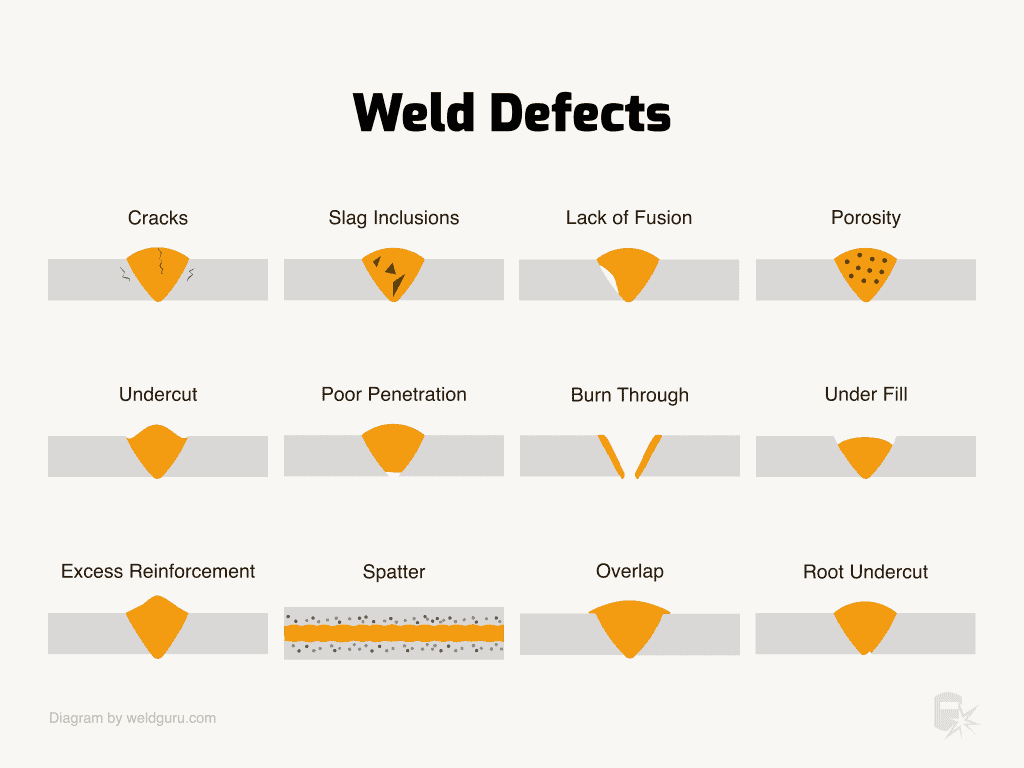
- Small cracks or undercuts at the joint
These shapes are not just cosmetic issues. They can act as starting points for cracks or allow moisture to get in, leading to rust or other types of damage.
Why Is An Even Weld Toe Important?
Many welders focus on bead size or penetration, but the weld toe is just as important. A smooth weld toe helps the load pass smoothly from the weld to the base metal. If the toe is rough or sharp, it acts like a notch in the metal. This notch effect can triple the stress in that area, making it much easier for cracks to start.
Data from welding research shows that up to 70% of weld failures in heavy structures begin at the weld toe. In fatigue testing, a smooth toe can increase the life of a welded joint by 2 to 3 times compared to a rough, uneven one.
What Causes An Uneven Weld Toe?
Several factors can lead to an uneven weld toe. Understanding these causes is the first step in fixing and preventing them.
- Incorrect Welding Angle: If you hold the welding torch at the wrong angle, the weld pool does not flow evenly to the base metal.
- Improper Travel Speed: Moving too fast or too slow can make the weld bead pile up or leave gaps at the edge.
- Wrong Heat Input: Too much or too little heat affects how the weld metal melts and fuses with the base.
- Poor Cleaning: Dirt, rust, or oil on the base metal can cause the weld to roll over debris, making the toe uneven.
- Defective Electrodes or Wires: Damaged or wrong-size filler material can cause the bead to form unevenly.
- Inconsistent Hand Movement: Shaky or uneven torch movement creates a wavy or rough bead edge.
- Base Metal Problems: Warped or thin base metal can cause the weld pool to behave unpredictably.
Knowing these causes helps you avoid them and focus on correct welding practices.
How To Spot An Uneven Weld Toe
Spotting an uneven weld toe early allows you to fix it before it becomes a bigger issue. Here are ways to check your welds:
- Visual Inspection: Look closely at the weld under good lighting. Use a magnifying glass if needed.
- Fingernail Test: Run your fingernail along the weld toe. If it catches, the toe is likely uneven.
- Profile Gauges: Special tools can measure the smoothness and angle of the weld toe.
- Dye Penetrant Test: This test can show small cracks or notches at the weld toe.
- Ultrasonic Testing: For critical joints, ultrasonic waves can detect hidden flaws at the toe.
A smooth, even weld toe should feel flat, with no sharp drops or rises. In high-quality work, the transition from weld bead to base metal should be almost invisible.
Step-by-step: Fixing An Uneven Weld Toe
Fixing an uneven weld toe often needs careful work. You can fix it right after welding or later if you spot the problem. Here’s a step-by-step approach:
1. Assess The Weld
Check the weld to see how bad the unevenness is. If the weld bead is too high, too low, or has undercut, decide if it needs grinding, filling, or total removal.
2. Choose The Right Tools
Common tools for fixing weld toes include:
- Angle Grinder: For smoothing rough areas
- Flap Discs: For gentle grinding and blending
- Tungsten Carbide Burrs: For precise shaping
- Die Grinders: For small or tight areas
- Hand Files: For fine finishing
For very fine finishing, you may use polishing stones or sandpaper.
3. Smooth The Weld Toe
Use an angle grinder with a flap disc to blend the weld toe into the base metal. Hold the grinder at a shallow angle (about 10-15 degrees) and move smoothly along the weld. Keep the motion steady to avoid making low spots.
Key Tip: Do not remove too much metal. Grinding too deep can weaken the joint or cut into the base metal. Aim to just blend the toe until it feels smooth.
4. Remove Undercut Or Notches
If you find a deep notch or undercut, you may need to fill it with new weld metal:
- Clean the area with a wire brush or grinder.
- Re-weld the notch using the correct settings.
- Re-grind and blend the area after cooling.
5. Polish The Area
After grinding, polish the weld toe with finer abrasives. This step removes tiny scratches and further reduces the risk of cracks.
6. Inspect The Repair
Check your work with a visual inspection and fingernail test. For critical jobs, repeat dye penetrant or ultrasonic testing to confirm there are no hidden flaws.
Example: Repair Of A Fillet Weld Toe
Suppose you have a fillet weld on a structural beam with a rough toe and shallow undercut. The steps would be:
- Grind away rough edges with a flap disc.
- Use a carbide burr to blend the transition.
- If undercut is deep, add a new weld bead.
- Blend and polish again.
- Inspect until the toe is smooth and even.
Preventing Uneven Weld Toes: Best Practices
Fixing is good, but preventing the problem saves time and effort. Here are best practices to avoid uneven weld toes:
- Set the Correct Welding Angle: For most joints, keep the torch at 10-15 degrees from vertical.
- Keep a Steady Hand: Practice smooth, even movement. Use both hands if possible.
- Watch Your Travel Speed: Move at a speed that keeps the weld pool even. Too fast or too slow can cause problems.
- Use the Right Current and Voltage: Check your machine settings for the material and thickness.
- Clean the Base Metal: Remove all dirt, rust, and oil before starting to weld.
- Choose the Right Filler: Use the correct size and type of electrode or wire for your joint.
- Tack Weld First: Secure parts with tack welds to reduce movement during welding.
- Use Backing Bars: For thin metal, use backing bars to help control heat and bead shape.
- Keep a Short Arc: A long arc can cause the weld bead to miss the edge, making the toe uneven.
- Inspect as You Go: Pause and check your welds regularly. Fix small problems before they grow.
These habits improve both the look and strength of your welds.
Tools And Equipment Comparison
Choosing the right tool can make a big difference in fixing and preventing uneven weld toes. Here is a comparison of common tools:
| Tool | Best For | Precision | Speed | Cost |
|---|---|---|---|---|
| Angle Grinder | Large areas, rough blending | Medium | High | Low |
| Flap Disc | Smoothing and finishing | High | Medium | Low |
| Die Grinder | Tight spots, detailed work | Very High | Medium | Medium |
| Tungsten Carbide Burr | Precise shaping | Very High | Low | Medium |
| Hand File | Fine finishing | High | Low | Very Low |
Use an angle grinder for fast removal, then switch to flap discs and finer tools for finishing. For high-quality work, always finish with a hand file or fine abrasive.
The Role Of Welding Processes In Weld Toe Quality
Different welding processes have their own effects on the quality of the weld toe. Some processes make it easier to get a smooth toe than others.
| Process | Toe Quality | Typical Defects | Best Use Case |
|---|---|---|---|
| SMAW (Stick Welding) | Fair | Undercut, rough toe | Outdoor, heavy steel |
| MIG (GMAW) | Good | Cold lap, spatter | Production, thin to medium |
| TIG (GTAW) | Very Good | Lack of fusion | Thin, precision work |
| Flux-Cored (FCAW) | Good | Spatter, undercut | Heavy steel, outdoors |
| SAW (Submerged Arc) | Excellent | Minimal | Large, automated welds |
TIG and submerged arc welding often create the smoothest toes. Stick and flux-cored processes need more skill to get a clean edge.
Common Mistakes When Fixing Weld Toes
Even experienced welders make mistakes when trying to fix an uneven weld toe. Here are some of the most common:
- Grinding Too Deep: Removing too much metal can weaken the joint and change the shape of the weld.
- Using the Wrong Disc or Burr: Hard discs can leave scratches or gouges. Use flap discs or fine burrs for blending.
- Skipping Cleaning: Grinding dust or dirt left behind can cause defects in re-welded areas.
- Ignoring Heat: Overheating the area during grinding can change the metal’s properties.
- Not Checking for Hidden Cracks: Surface repairs may hide cracks that reach deeper into the base metal.
- Over-polishing: Too much polishing can round off the weld and reduce its strength.
- Missing Final Inspection: Always check the repair before moving to the next step.
Avoid these mistakes to get a strong, reliable weld.
Advanced Tips For High-quality Weld Toes
Welders who aim for top-quality work use extra steps to improve the weld toe:
- Toe Grinding Techniques: Special toe grinders can blend the edge without removing too much metal.
- Shot Peening: This process bombards the weld toe with small steel balls, making the surface smoother and stronger.
- TIG Dressing: Running a TIG torch with no filler over the weld toe can smooth out tiny cracks and improve the transition.
- Post-Weld Heat Treatment: Heating the joint after welding can reduce stress and shrink cracks at the toe.
- Micro-polishing: Use very fine abrasives to get a mirror-smooth finish, especially in high-stress or visible areas.
These steps can increase fatigue life and make welds almost invisible.
Credit: weldguru.com
Real-world Example: Weld Toe Repair In Bridges
A study of steel bridges in Europe found that over 60% of fatigue cracks started at weld toes. In response, many bridge repair teams use a mix of grinding, TIG dressing, and shot peening to fix old, rough weld toes. These repairs have doubled the life of some bridges, saving millions in replacement costs.
In one case, engineers used ultrasonic testing before and after repair. After blending and peening the weld toe, the number of cracks dropped by over 80%. This shows the real value of careful weld toe work.
Weld Toe And Fatigue Life: Data Insights
The fatigue life of a welded joint is how many cycles of stress it can take before cracking. Research in structural engineering shows:
- A sharp, rough weld toe can reduce fatigue life by 50% or more.
- Smoothing the toe can increase fatigue strength by 30-100%.
- Fine grinding and polishing add another 15-30% to fatigue life.
These numbers highlight why fixing and preventing uneven weld toes is so important, especially in bridges, cranes, and other high-stress structures.
Credit: www.fsshuopu.com
Training And Skill Development
Learning to create and fix smooth weld toes is a skill that comes with practice. Here are ways to improve:
- Take Welding Classes: Many schools offer courses focused on weld finishing.
- Use Practice Coupons: Practice on scrap metal to perfect torch angle and speed.
- Record Your Work: Take photos of your welds to track progress and spot problems.
- Ask for Feedback: Get advice from experienced welders or inspectors.
- Stay Up to Date: Read welding journals and join online forums to learn new techniques. One useful resource is the Welding Wikipedia page.
These steps will help you build confidence and produce better welds over time.
Safety Considerations When Fixing Weld Toes
Working with grinders, burrs, and other tools carries risks. Always follow these safety tips:
- Wear Eye Protection: Always use safety goggles or a face shield.
- Use Gloves: Protect your hands from sharp edges and hot metal.
- Keep Sparks Away: Work in an area free of flammable materials.
- Use Dust Masks: Grinding creates fine dust that is unsafe to breathe.
- Check Equipment: Inspect all tools before use to avoid accidents.
- Secure the Workpiece: Clamp your metal to stop it from moving while you work.
Safety habits protect you and others in the workshop.
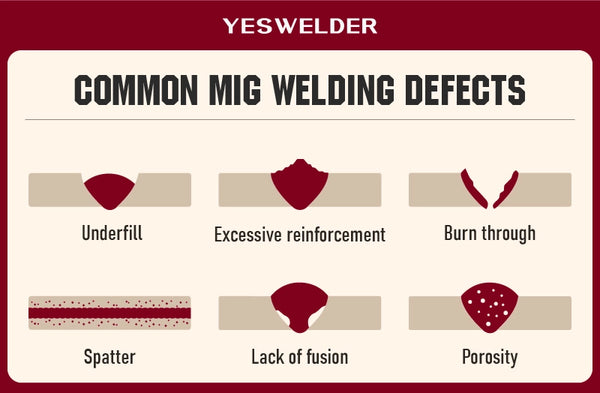
Credit: yeswelder.com
Frequently Asked Questions
What Is The Main Cause Of Uneven Weld Toes?
The main cause is usually incorrect torch angle or improper travel speed during welding. Dirt on the base metal and wrong machine settings also play a big role.
Can I Fix An Uneven Weld Toe Without Grinding?
In some cases, you can use a TIG torch to smooth the toe (a process called TIG dressing). But for rough or deep defects, grinding is usually needed.
How Much Can A Rough Weld Toe Weaken A Joint?
A rough or sharp weld toe can cut fatigue life by 50% or more. It acts as a starting point for cracks, especially in parts that move or vibrate.
Is There A Way To Prevent Uneven Weld Toes In Automated Welding?
Yes. Automated systems often use robots with precise controls, but setting the right angle, speed, and current is still important. Some machines also use laser scanners to check weld quality in real time.
Are There Standards For Weld Toe Quality?
Yes. Codes like AWS D1.1 and ISO 5817 set limits for undercut, smoothness, and other factors at the weld toe. Inspectors use these standards to judge weld quality.
A smooth, even weld toe is more than just good looks—it is a sign of a strong, safe, and long-lasting joint. By learning to spot, fix, and prevent uneven weld toes, you build better skills and help ensure the safety of every welded structure.
Whether you are welding for a hobby or a living, attention to the weld toe pays off in quality and confidence.