Disclosure: This post contains affiliate links and I will be compensated if you make a purchase after clicking through my links. Learn More
Brass is a popular metal for many applications, from musical instruments and plumbing fittings to decorative pieces. Its golden color, strength, and corrosion resistance make it a favorite for both professionals and hobbyists. But working with brass, especially joining pieces together, requires special care.
Many people struggle to find the best welding method for brass. If you use the wrong technique, you can damage the metal, create weak joints, or end up with an unattractive result.
This article explains the main welding methods for brass, compares their pros and cons, and helps you choose the right one for your project. You will also learn how brass behaves during welding, what problems can happen, and how to avoid common mistakes.
Whether you are new to welding or have some experience, this guide gives you clear information to make the best choice.
Understanding Brass And Its Challenges
Brass is an alloy made mostly of copper and zinc. Sometimes, it contains small amounts of other elements, such as lead or tin, to improve its properties. The exact mixture changes how the brass looks and behaves. Brass is softer and easier to shape than steel, but it also has some unique problems when you try to weld it.
Why Brass Is Difficult To Weld
1. Zinc Evaporation
Brass contains zinc, which melts and boils at a much lower temperature than copper. When you heat brass during welding, zinc can turn into vapor. This creates fumes that are dangerous to breathe and can leave holes or weak spots in your weld.
2. Porosity
As zinc vaporizes, small bubbles can form inside the melted metal. This makes the welds porous, meaning they have tiny holes. Porous welds are weak and may break easily.
3. Cracking
Brass can crack if it cools too quickly or if the weld is stressed. This is more likely if the brass has a lot of zinc or if the technique is not right.
4. Lead Content
Some brass alloys contain lead. Lead can improve how brass machines but makes welding harder and releases toxic fumes.
Types Of Brass
Not all brass is the same. The two most common types are:
- Yellow Brass: Has more zinc (about 33%). It is harder to weld because of more zinc vapor.
- Red Brass: Has more copper (about 85%) and less zinc. It is easier to weld and is often used for plumbing.
Always check the type of brass you have before you start.
Main Welding Methods For Brass
Several welding methods can join brass. Each has its own benefits and drawbacks. Not every method is suitable for all situations. The most common techniques are:
- Brazing
- TIG Welding (GTAW)
- MIG Welding (GMAW)
- Oxy-Acetylene Welding
- Soldering (not true welding, but often used)
- Stick Welding (SMAW)
Let’s look at each method in detail.
Credit: www.arccaptain.com
Brazing: The Most Popular Method
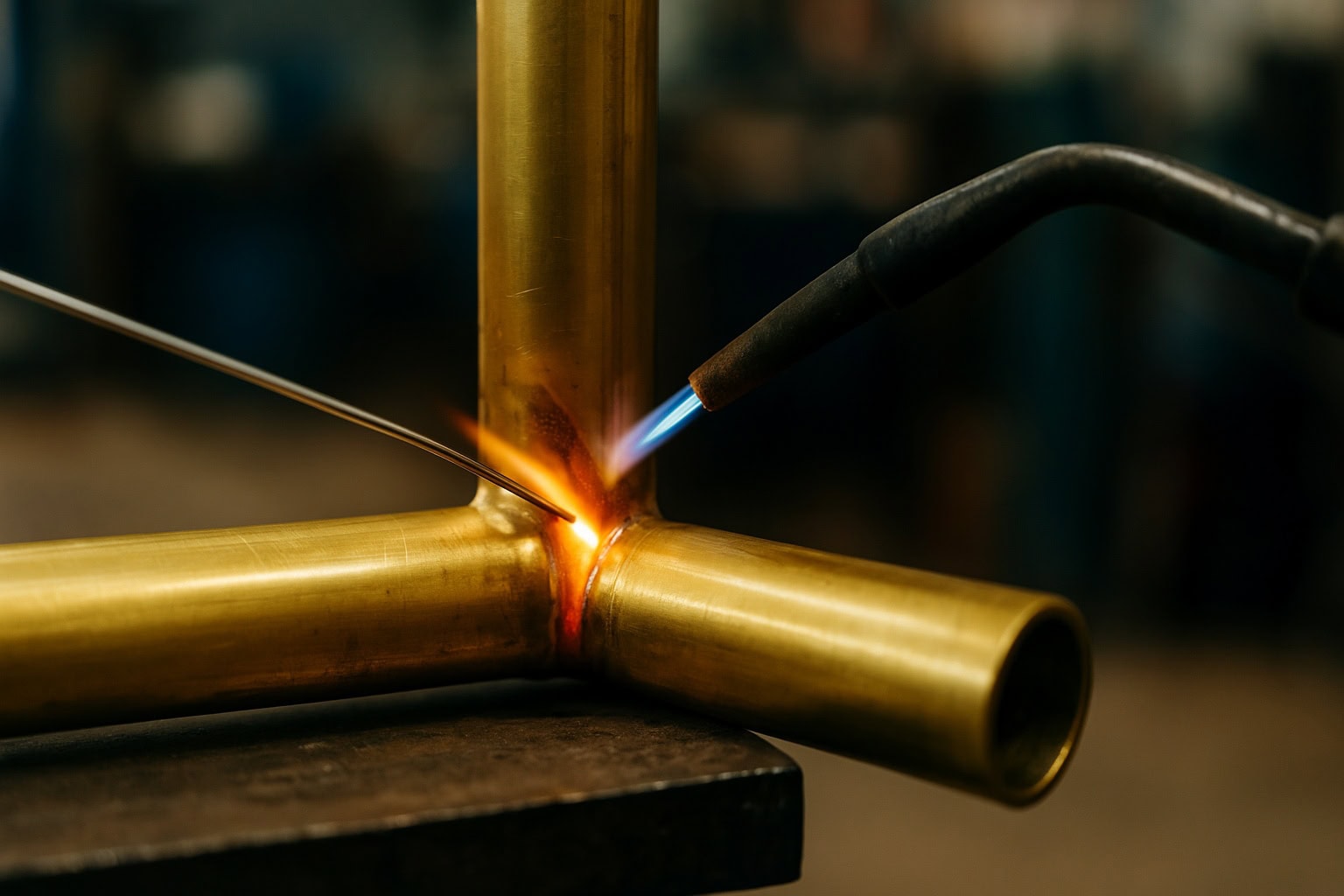
Most experts agree that brazing is the best way to join brass. Brazing is not true welding, but it creates strong, neat joints. It uses a filler metal that melts at a lower temperature than brass. The base metals do not melt; only the filler does.
How Brazing Works
The process uses a torch to heat the brass pieces. When they reach about 450°C (840°F), the filler metal melts and flows between the surfaces. As it cools, it forms a strong bond.
Key points:
- The brass does not melt, so there is less risk of zinc vaporizing.
- The joint is strong and looks clean.
- The process is easier to control than full fusion welding.
Common Brazing Filler Metals
- Silver-based alloys: Offer strong bonds and smooth flow.
- Copper-phosphorus alloys: Cheaper, but not as strong as silver.
- Brass rods: Used for joining similar brass types.
Advantages Of Brazing Brass
- Less zinc loss: Lower temperature reduces zinc vapor and fume problems.
- Strong joints: Good for plumbing, art, and machinery.
- Neat appearance: Joints are often smooth and shiny.
- Easy for beginners: Less skill needed than TIG or MIG welding.
Disadvantages
- Not as strong as welding: For high-stress parts, fusion welding may be better.
- Filler color mismatch: The joint color may not match the brass exactly.
Practical Tips For Brazing Brass
- Clean all surfaces well before brazing.
- Use the right flux to prevent oxidation.
- Work in a well-ventilated area to avoid breathing fumes.
- Preheat larger pieces to help the filler flow.
Brazing Vs. Welding: A Quick Look
Here is a simple comparison:
| Feature | Brazing | Welding |
|---|---|---|
| Base Metal Melts? | No | Yes |
| Typical Temp. | 450–900°C | 900–1000°C (brass) |
| Fume Risk | Low | High |
| Skill Needed | Medium | High |
| Joint Strength | Medium–High | High |
Tig Welding Brass: Precision And Control
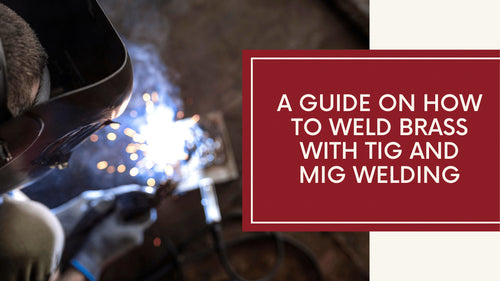
TIG welding (Tungsten Inert Gas), also called GTAW, is the best true welding method for brass. It uses a tungsten electrode and an inert gas (usually argon) to protect the weld area from air.
Why Tig Welding Works For Brass
- Precise control: You can control the heat and the filler metal, which helps avoid overheating and zinc loss.
- Clean welds: The inert gas keeps oxygen away, preventing oxidation.
- Good for thin brass: Works well on thin sheets and small parts.
Challenges Of Tig Welding Brass
- Skill required: TIG welding is hard to master, especially with brass.
- Zinc fumes: High heat can still cause zinc to vaporize if you are not careful.
- Slower process: TIG is slower than MIG or stick welding.
Choosing Tig Filler Rods
- Use a silicon bronze or a copper-zinc filler rod. These match the color and properties of brass.
- Avoid aluminum bronze rods, as they can create brittle welds.
Tig Welding Steps For Brass
- Clean the brass well (remove dirt, oil, and oxides).
- Set the welder for DCEN (Direct Current Electrode Negative).
- Use a sharp tungsten electrode.
- Start with low to medium amperage.
- Feed the filler rod slowly to avoid overheating.
When To Use Tig For Brass
- When you need high precision.
- For small or thin parts.
- For visible joints where appearance matters.
Non-obvious Insights
- Joint fit-up is critical: Gaps make it easier for zinc to vaporize. Fit pieces tightly.
- Short welding sessions: Weld in short bursts to let the metal cool and reduce fume risk.
Mig Welding Brass: Fast, But Risky
MIG welding (Metal Inert Gas), or GMAW, is sometimes used on brass but is less common than TIG or brazing. It uses a wire electrode fed through a gun and an inert gas shield.
Pros Of Mig Welding Brass
- Fast process: Good for large projects or production work.
- Less skill than TIG: Easier to learn for beginners.
Cons
- Difficult to control heat: Brass can overheat quickly, leading to zinc vapor and porosity.
- Less attractive welds: MIG welds are not as neat as TIG.
- Limited filler options: Fewer wire types match brass.
Best Practices For Mig Welding Brass
- Use a copper-silicon wire (ERCuSi-A) as the filler.
- Set a low voltage and wire feed speed to reduce heat.
- Keep welding times short and allow cooling.
When To Use Mig
- For non-visible or low-stress joints.
- When speed is more important than appearance.
- For thicker brass pieces, where heat can spread out.
Non-obvious Insights
- Use pulsed MIG if possible. This reduces the time brass stays hot and minimizes zinc evaporation.
- Test on scrap: Always test settings on scrap brass, as every batch can behave differently.
Oxy-acetylene Welding: Old But Still Useful
Oxy-acetylene welding uses a flame from burning acetylene and oxygen. It was once very popular for brass but is now less common due to safety concerns and newer technology.
Advantages
- Simple tools: No electricity needed, only gas bottles and a torch.
- Good for repairs: Can be used in places without power.
Disadvantages
- High fume risk: The open flame can easily overheat brass and cause zinc to vaporize.
- Hard to control: Getting the right temperature is tricky.
- More oxidation: Air can reach the weld, so you need good flux.
How To Weld Brass With Oxy-acetylene
- Clean the joint area well.
- Use a neutral flame (equal oxygen and acetylene).
- Apply flux to stop oxidation.
- Heat slowly and evenly.
- Add filler rod as soon as the brass is ready.
Safety Tips
- Always use a fume extractor or weld in open air.
- Wear a respirator mask rated for metal fumes.
- Never use oxy-acetylene on leaded brass (toxic fumes).
When Is Oxy-acetylene Best?
- For outdoor repairs.
- When working on thick brass parts.
- When electricity is not available.
Credit: vernlewis.com
Soldering Brass: For Low-stress Joints
Soldering is often used for brass pipes and electronics. It is not true welding, as it uses a filler that melts below 450°C (840°F). The joint is weaker than brazing or welding, but soldering is fast and easy.
Best Uses For Soldering Brass
- Plumbing pipes.
- Small electronics.
- Decorative joints.
Solder Types
- Lead-based solder: Easy to work with, but not for drinking water pipes.
- Lead-free solder: Safer for plumbing.
- Silver solder: Stronger, used for jewelry and musical instruments.
Process
- Clean the joint area.
- Apply flux.
- Heat the joint with a small torch or soldering iron.
- Touch solder to the joint; it will melt and flow in.
Limitations
- Not suitable for high-stress or load-bearing joints.
- Solder joints can weaken with heat or vibration.
Stick Welding Brass: Rarely Used
Stick welding (SMAW) is not common for brass. The high heat and poor control make it hard to get good results. It is possible, but only for rough repairs.
Problems With Stick Welding Brass
- High risk of zinc fume and porosity.
- Few electrode choices that match brass.
- Messy and uneven welds.
When To Use
- Emergency repairs in the field.
- When no other tools are available.
Comparison Table: Brass Welding Methods
To help you see the differences, here is a summary comparing the main methods:
| Method | Skill Needed | Joint Strength | Appearance | Fume Risk | Best Use |
|---|---|---|---|---|---|
| Brazing | Medium | High | Very Good | Low | General purpose |
| TIG Welding | High | Very High | Excellent | Medium | Precision work |
| MIG Welding | Medium | Medium | Good | High | Fast/large jobs |
| Oxy-Acetylene | Medium | Medium | Fair | High | Repairs/outdoor |
| Soldering | Low | Low | Good | Low | Plumbing/electronics |
| Stick Welding | High | Low | Poor | Very High | Emergency only |
How To Choose The Best Method For Your Project
Picking the right method depends on your needs, tools, and skills. Here are some factors to consider:
1. Joint Strength Needed
- Use brazing or TIG welding for strong, reliable joints.
- Use soldering for light-duty or temporary connections.
2. Appearance
- Choose TIG welding for the best-looking seams.
- Brazing also creates smooth, neat joints.
3. Thickness Of Brass
- TIG welding is best for thin brass sheets.
- Brazing and oxy-acetylene work for both thin and thick pieces.
- MIG welding and stick welding are better for thick brass only.
4. Equipment Available
- If you have only basic tools, brazing or soldering is easiest.
- TIG and MIG need special machines and gas.
5. Safety
- Always avoid welding leaded brass if possible.
- Work in a well-ventilated area and wear a respirator to protect from zinc fumes.
6. Your Skill Level
- Beginners should start with brazing or soldering.
- Experienced welders can use TIG for the best results.
Practical Steps For Welding Brass
If you want to weld or braze brass safely and get good results, follow these steps:
- Identify your brass type: Check if it is red or yellow brass and if it contains lead.
- Clean your workpiece: Remove oil, dirt, and oxidation with a wire brush and solvent.
- Fit pieces tightly: Gaps make the process harder and increase the risk of defects.
- Preheat if needed: For thick parts, preheat to reduce thermal shock and cracking.
- Use the right flux: Always use flux for brazing or oxy-acetylene to prevent oxidation.
- Work in short sections: Avoid overheating by welding or brazing in small steps.
- Let cool slowly: Rapid cooling can cause cracks.
Mistakes To Avoid
- Welding brass without ventilation (zinc fumes are toxic).
- Using the wrong filler metal (can cause weak or ugly joints).
- Overheating the brass (leads to porosity and fume problems).
- Trying stick welding unless there is no other choice.
Real-world Examples
Musical Instruments
Brass musical instruments, such as trumpets and trombones, need strong, neat joints and a perfect finish. Brazing is the top choice here. It creates a clean seam that does not affect the sound or appearance.
Plumbing
For joining brass pipes, brazing and soldering are both common. Soldering is quick and works for water pipes, but brazing is stronger and lasts longer, especially in high-pressure systems.
Art And Jewelry
Artists use TIG welding or silver brazing for small, detailed brass pieces. These methods make invisible joints and do not damage the appearance.
Credit: murs-a-dessins.ch
Safety And Health Tips
Welding or brazing brass can be dangerous if you do not protect yourself.
- Fumes: Zinc and lead fumes are toxic. Always wear a good respirator and work in a well-ventilated area.
- Eye protection: Use a welding helmet or goggles rated for your process.
- Skin protection: Wear gloves and long sleeves to avoid burns.
For more about welding safety, see the OSHA welding guide.
Frequently Asked Questions
What Is The Safest Way To Join Brass?
The safest way is brazing. It uses lower heat, so there is less risk of zinc fumes. Always use good ventilation and a respirator, no matter which method you choose.
Can You Weld Brass To Steel?
Yes, but it is tricky. Use brazing with a silver-based filler rod for the best bond. Welding brass directly to steel is difficult and can cause cracking.
Why Does My Brass Weld Have Holes?
Holes, or porosity, happen when zinc turns to vapor and escapes during welding. Lower your heat, use the right filler, and fit the pieces tightly to avoid this problem.
Is Tig Welding Better Than Mig For Brass?
TIG welding gives better control, cleaner welds, and less zinc vapor. MIG is faster but more likely to cause defects in brass.
Do You Need Flux To Weld Brass?
For brazing and oxy-acetylene, always use a suitable flux to stop oxidation. For TIG and MIG welding, the shielding gas protects the weld, so flux is not needed.
Brass is a versatile metal, but welding it takes knowledge, the right tools, and careful technique. Brazing is the best method for most people, offering a strong, safe, and attractive joint. TIG welding is excellent for expert welders or when appearance matters most.
Always put safety first and practice on scrap before working on your final piece. With the right approach, you can achieve professional results and enjoy the beauty and strength of brass in your projects.