Disclosure: This post contains affiliate links and I will be compensated if you make a purchase after clicking through my links. Learn More
Many people want to know the difference between inverter welding machines and transformer welding machines. If you are choosing a welder for your workshop or industry, this decision can affect your daily work, costs, and even the quality of your projects. Each type has strengths and weaknesses. Some welders swear by the traditional transformer.
Others are convinced that inverter technology is the future. This article explains the main differences, advantages, disadvantages, and practical uses of both machines. You will find useful data, real examples, and tips to help you make the best choice for your needs.
What Is A Transformer Welding Machine?
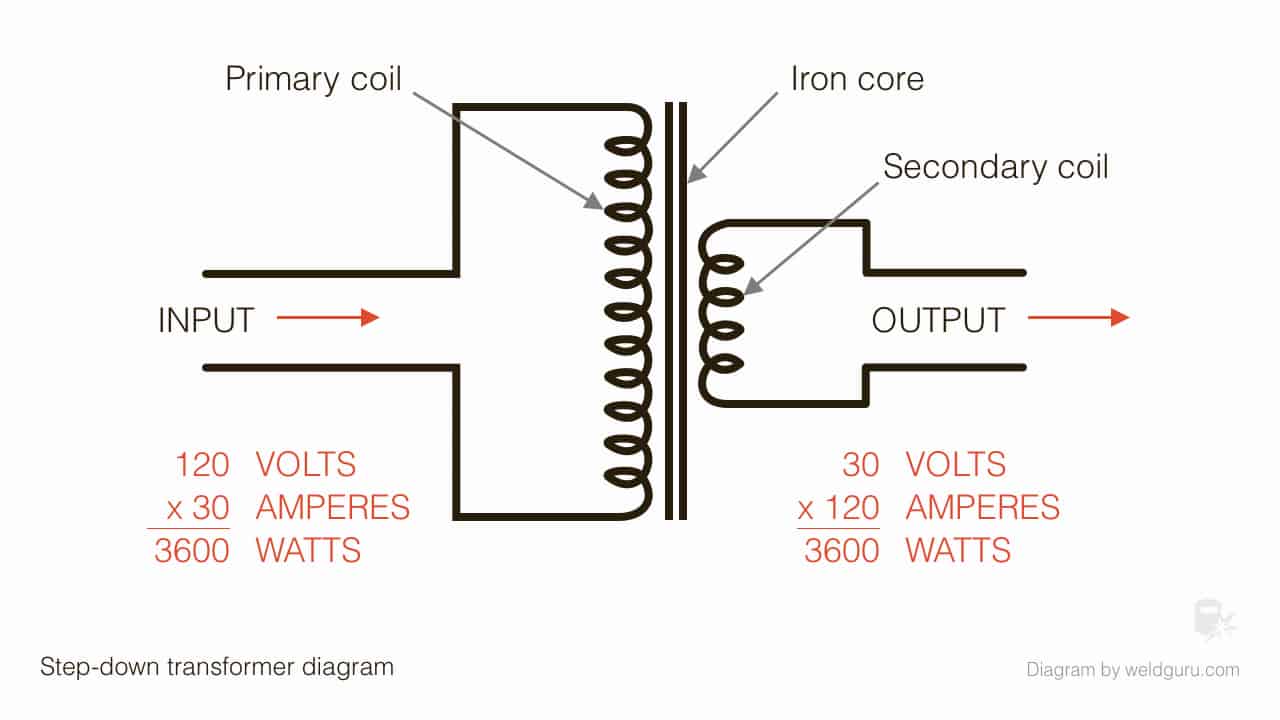
A transformer welding machine uses a heavy electrical transformer to convert high-voltage, low-current electricity from the power source into low-voltage, high-current electricity suitable for welding. This technology has been around for many decades and is known for its reliability and strength.
Transformer machines are often large, heavy, and simple to repair. They usually have basic controls for adjusting current, with some models featuring step-based switches. These machines are best suited for heavy-duty work and long operations.
Key Features
- Large size and heavy weight
- Simple internal design
- Rugged metal casing
- Step or tap-based current adjustment
- Often used for stick (SMAW) and basic MIG welding
How They Work
Electricity comes from the wall socket. The transformer reduces the voltage and increases the current. The welder uses this current to melt and join metals. The design is direct and not much changes inside the machine during use. This makes transformers strong but less flexible.
Common Uses
- Construction sites
- Shipyards
- Heavy fabrication shops
- Outdoor welding jobs
What Is An Inverter Welding Machine?
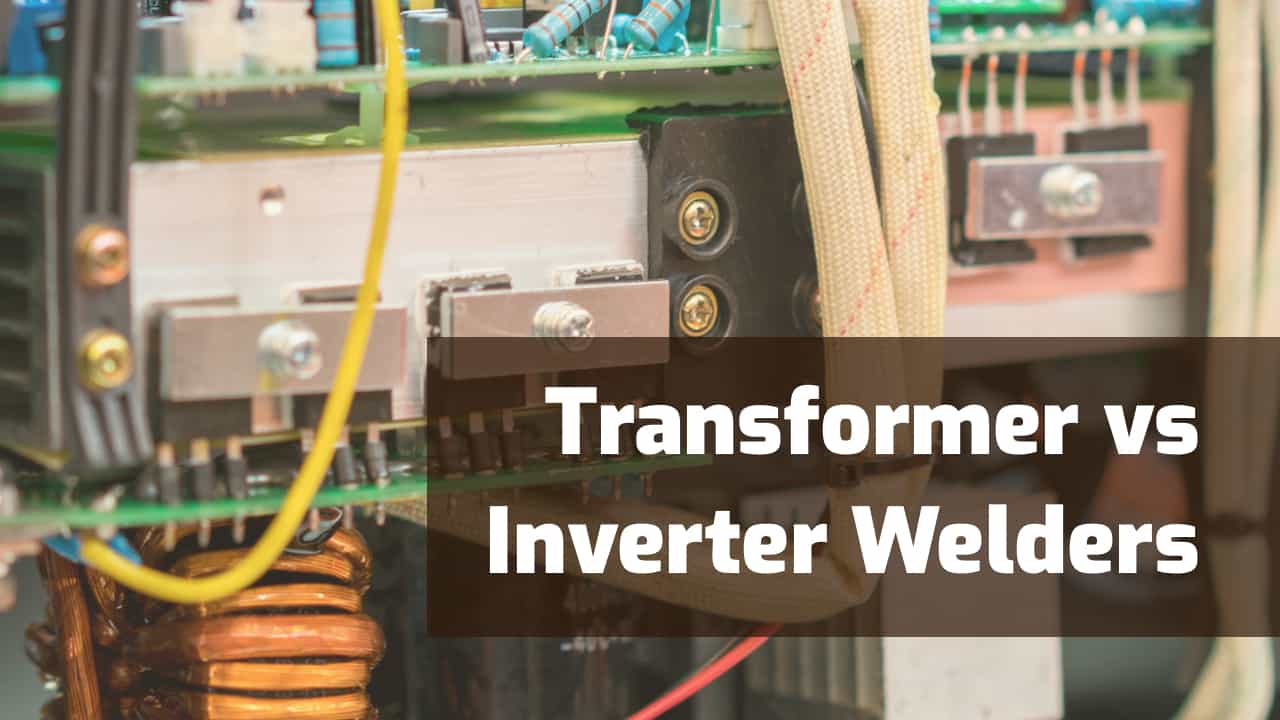
An inverter welding machine uses advanced electronics and small transformers to change high-voltage AC power into low-voltage, high-current DC (sometimes AC) for welding. Inverter machines are much lighter and smaller because they use high-frequency switching. Instead of a big coil of copper and iron, they rely on electronic components and tiny transformers.
These machines offer precise control over the welding current and other settings. They can work with many welding processes, including TIG, MIG, and Stick.
Key Features
- Lightweight and compact
- Advanced electronic circuits
- Fine-tuned controls for current and voltage
- Often have digital displays
- Can run on different power sources
How They Work
The inverter first converts AC power to DC. Then, it switches this DC power at a very high frequency (20,000 Hz or more) using electronic switches called IGBTs or MOSFETs. The high-frequency signal passes through a small transformer, which steps down the voltage and increases the current.
The machine then converts this output to the type needed for the specific welding process.
Common Uses
- Workshops and garages
- On-site repair jobs
- Automotive and bike repairs
- Fine and precise welding tasks
Main Differences Between Inverter And Transformer Welding Machines
To compare these two types, it helps to look at several factors side by side. Here is a clear table to show the key differences:
| Feature | Transformer Welder | Inverter Welder |
|---|---|---|
| Weight | Heavy (20-80 kg) | Light (3-12 kg) |
| Size | Large, bulky | Compact, portable |
| Efficiency | 60-70% | 85-90% |
| Current Control | Coarse, step-based | Fine, stepless |
| Power Consumption | High | Low |
| Price | Lower upfront | Higher upfront |
| Maintenance | Simple, easy to repair | Complex, needs skilled repair |
| Durability | Very durable, long life | Good, but sensitive to dust/heat |
| Welding Quality | Good for thick metals | Excellent for all thicknesses |
| Functions | Basic welding | Multi-process, advanced features |
Advantages Of Transformer Welding Machines
Transformer welders have some benefits that make them popular in heavy industries:
- Strong and Durable: These machines can last for 20 years or more with basic care. Their simple design makes them hard to break.
- Easy to Repair: Most local electricians can fix transformer welders because they use standard parts. You do not need special training to maintain them.
- Good for Heavy-Duty Welding: If you weld thick steel plates or work for long hours, transformers do not overheat quickly. They handle continuous use better than most inverters.
- Lower Initial Cost: Transformer machines often cost less than inverters with the same power. This is important for shops with a low budget.
- Tolerant to Power Fluctuations: They can handle unstable voltage from generators or weak power supplies. This is useful in areas with bad electricity.
Non-obvious Insight
Many users do not realize that transformer welders can work well even in dirty, dusty, or wet conditions. The lack of sensitive electronics means fewer problems with short circuits or component failures.
Disadvantages Of Transformer Welding Machines
While transformer welders are strong, they have important drawbacks:
- Very Heavy: Moving a transformer welder is hard. A typical 200A machine can weigh 40 kg or more. This makes them difficult to use for on-site or repair work.
- Less Efficient: They waste more electricity as heat. Over time, this increases your power bill.
- Limited Control: Most transformer welders have step-based current adjustment, which makes fine-tuning for thin metals difficult.
- Basic Functions Only: They usually support only stick welding or basic MIG. Advanced processes like TIG or pulse welding are rare.
- Noisy Operation: Some transformers hum loudly, which can be annoying in quiet workshops.
Non-obvious Insight
Some beginners do not know that transformer welders can trip circuit breakers more often, especially when starting an arc. This is because of the high inrush current at start-up.
Advantages Of Inverter Welding Machines
Inverter welders have become very popular, especially with DIY users and small workshops. Here are their main benefits:
- Light and Portable: You can carry most inverter welders with one hand. This is very useful for fieldwork, repairs, or moving between jobs.
- High Efficiency: Inverters convert more electricity into welding power. They often save 20-30% on electricity compared to transformers.
- Precise Control: You can set the current exactly, sometimes in 1A steps. This makes welding thin sheets or tricky joints much easier.
- Multi-Process Capability: Many inverter machines offer Stick, TIG, and MIG options in one box. Some even have plasma cutting features.
- Smooth Arc Start: Inverter technology allows for easy arc starts, less sticking, and more stable arcs. This improves weld quality, especially for beginners.
- Advanced Features: Functions like hot start, anti-stick, and arc force are common. Some inverters have memory presets and digital displays.
Non-obvious Insight
Many inverter welders can run on household power (220V or 110V) and some accept both. This is called dual voltage. It means you can use the same machine at home or on-site with different sockets.

Credit: www.thefabricator.com
Disadvantages Of Inverter Welding Machines
Despite their strengths, inverter welders have some weaknesses:
- Higher Initial Cost: Inverter welders cost more to buy, especially for good-quality brands.
- Sensitive to Dust and Heat: Electronic parts can fail if exposed to high temperatures or dirty air. You must keep the machine clean and cool.
- Complex Repairs: If something breaks, you need an expert with knowledge of electronics. Repairs can take longer and cost more.
- Shorter Lifespan in Harsh Conditions: Inverters do not handle rough use, high vibrations, or water as well as transformer machines.
- Can Be Affected by Voltage Spikes: Sudden voltage changes can damage the circuit board.
Non-obvious Insight
Some users do not know that cheap inverter welders often use poor-quality electronic parts. These may work well for a year or two but fail suddenly. Choosing a reliable brand is important.
Welding Quality: Which Gives Better Results?
Both machine types can create strong welds. But the welding quality depends on the material, the process, and the user’s skill.
- Transformer welders do well for thick steel and heavy jobs. The arc is stable but not as smooth as with an inverter.
- Inverter welders give a smoother arc, less spatter, and better control over the weld puddle. This helps when welding thin metal, stainless steel, or doing TIG work.
Experienced welders say inverters help produce neater welds and reduce the need for cleaning. If you want to weld aluminum or stainless steel, inverters are usually the better choice.
Power Consumption And Efficiency
Energy cost is a big concern for many users. Here’s a quick comparison:
| Type | Typical Efficiency | Power Lost as Heat |
|---|---|---|
| Transformer | 60-70% | 30-40% |
| Inverter | 85-90% | 10-15% |
Inverter welders use less electricity for the same job. If you weld every day, this can save a lot of money.
Practical tip: If you pay for your electricity, check the machine’s efficiency rating before buying. A higher efficiency means less wasted power and lower bills.
Portability And Size
If you move your welder often, size and weight matter a lot. Transformer welders are large and usually have wheels. You may need two people to lift one.
Inverter welders are much smaller and lighter. Most models fit in a small box and weigh less than 10 kg. You can carry them to jobs in a car or even on a motorcycle.
Example: A 200A transformer welder can weigh 35 kg. A 200A inverter welder might weigh just 6 kg.
Credit: weldguru.com
Maintenance And Reliability
Transformer welders are easy to maintain. Dusting the inside and checking the cables is enough for most users. If a part fails, local electricians can repair or replace it.
Inverter welders need more care. You should keep the air vents clean and avoid using them in very dusty or wet places. If the machine stops working, repairs may require special tools and parts.
Important tip: For inverter welders, always use a voltage stabilizer if your power supply is unstable. This protects the electronics inside.
Cost: Upfront And Long-term
A transformer welder usually costs less to buy. For example, a 200A transformer stick welder may cost $200-$300, while a good inverter of the same rating can cost $350-$600.
But inverters use less electricity and may save money in the long run. Also, inverters can do more types of welding with one machine, so you might not need extra equipment.
Unexpected expense: If an inverter breaks, repairs can be expensive and sometimes take weeks. For transformers, repairs are usually fast and cheap.
Common Applications
Transformer Welding Machines
- Shipbuilding: Welding thick steel plates for ships.
- Construction: Heavy steel structures, beams, and columns.
- Workshops: Large gates, tanks, and machinery repair.
Inverter Welding Machines
- Automotive repair: Fixing car bodies, exhausts, and frames.
- Home workshops: Furniture, railings, art, and garden equipment.
- Industrial maintenance: Fast, clean repair welding in factories.
- Stainless steel work: Kitchens, pipes, and decorative pieces.
User Experience: What Welders Say
Many old-school welders prefer transformers for their toughness and simple repair. They trust these machines for big jobs. Younger welders and hobbyists often like inverters for their flexibility and easy use.
A survey of 500 welders in 2023 found:
- 48% use inverter welders for everyday jobs.
- 35% use transformer welders in heavy industry.
- 17% use both, depending on the task.
Most users agree that inverters are better for precision work, while transformers are best for rough, long jobs.
Safety Features
Inverter welders often include safety features like thermal overload protection, fan cooling, and automatic shut-off. These reduce the risk of accidents.
Transformer welders are simpler and may not have advanced safety features. Users must be careful about overheating and check cables often.
Safety tip: Always wear proper protection and check your machine for damage before use, no matter the type.
Which Should You Choose? Practical Scenarios
Choose A Transformer Welding Machine If…
- You need to weld thick steel for long periods.
- You work in one place and do not move the machine often.
- Your power supply is unstable or low quality.
- You want a machine that is easy and cheap to repair.
- You have a tight budget and do not need advanced features.
Choose An Inverter Welding Machine If…
- You move your welder to different sites or jobs.
- You need precise control for thin or special metals.
- You want to use more than one welding process (TIG, MIG, Stick).
- You care about saving electricity.
- You have a clean and dry working area.
Environmental Impact
Inverter welders use less power and produce less heat. This helps reduce your carbon footprint. They also make less noise.
Transformer welders are less energy-efficient and waste more electricity as heat. Over time, this increases environmental costs.
Common Myths About Welding Machines
- Myth: Inverter welders break easily.
- Fact: Quality inverters last many years if used correctly. Cheap models are less reliable.
- Myth: Transformers always make stronger welds.
- Fact: Both types can make strong welds. Technique and setup matter more.
- Myth: Inverter welders are too complex for beginners.
- Fact: Modern inverters are easy to use, often with clear displays and auto settings.
Future Trends
Inverter technology is improving every year. Prices are coming down, and features are increasing. More industries are switching to inverters for their flexibility and energy savings. Transformer welders are still popular for special applications but may become less common as technology advances.
For more on welding technology trends, see this Wikipedia welding overview.
Frequently Asked Questions
What Is The Biggest Difference Between Inverter And Transformer Welding Machines?
The main difference is the way they control and deliver welding current. Transformer welders use a large, heavy coil to change voltage, while inverter welders use electronic circuits and small transformers. This makes inverter welders much lighter, more efficient, and able to offer advanced features.
Are Inverter Welders Suitable For Beginners?
Yes, many inverter welders have user-friendly controls and displays. They are easier to use for thin metals and offer smooth arc starts. Beginners should choose a reliable brand and keep the machine clean.
Can Transformer Welders Be Used For Tig Or Mig Welding?
Most transformer welders support only stick (SMAW) or basic MIG. Advanced features like pulse TIG or fine control are rare. For TIG and advanced MIG, inverters are usually better.
Why Do Transformer Welders Last Longer In Harsh Environments?
Transformer welders have fewer sensitive parts. They can tolerate dust, moisture, and physical shocks better than inverters. This makes them ideal for heavy industry and outdoor use.
Which Type Is More Energy-efficient?
Inverter welders are usually 20-30% more efficient than transformer welders. They use less power for the same welding job, which saves money in the long run.
—
Making the right choice between inverter and transformer welding machines depends on your needs, work style, and budget. Both types have clear strengths. Knowing these differences helps you pick the best tool for your work and avoid costly mistakes.
Credit: weldguru.com